How to Perform Hajj?
May 22, 2026
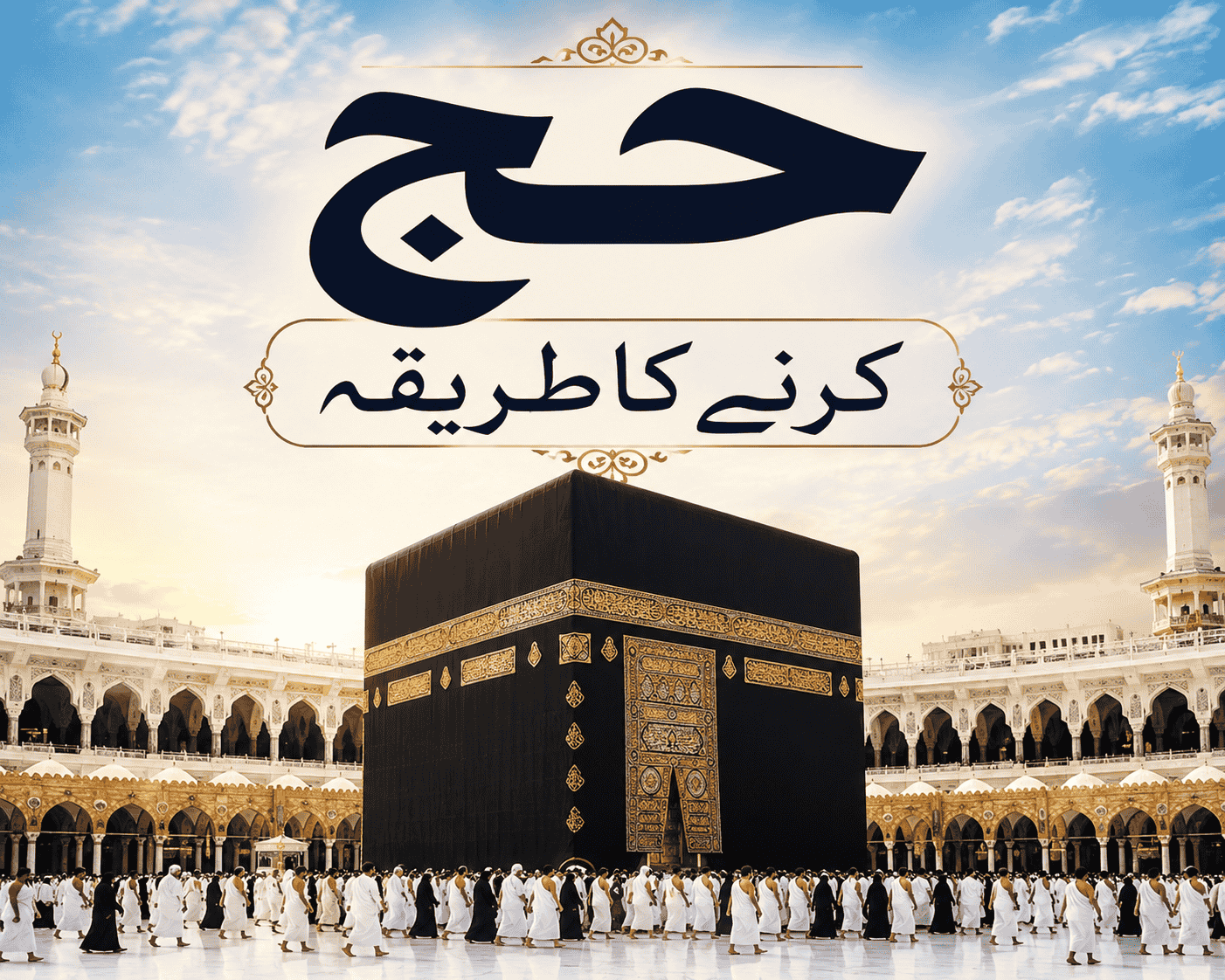
Hajj is the sacred pilgrimage to Makkah and one of the Five Pillars of Islam. It is an obligatory act of worship for every Muslim who is physically and financially capable of performing it at least once in their lifetime. More than just a journey, Hajj is a deeply spiritual experience that cleanses the heart, strengthens faith, and brings a believer closer to Allah. Every year, millions of Muslims from around the world gather in Makkah, standing together in unity, humility, and devotion. The rituals of Hajj follow the footsteps of Prophet Ibrahim (A.S.) and teach powerful lessons of sacrifice, patience, and submission to the will of Allah. This guide will help you understand the complete step-by-step process of Hajj, from preparation to completion, in a simple and easy-to-follow way.
1. Hajj: A Sacred Pillar of Islam
Hajj is the pilgrimage to Makkah and one of the Five Pillars of Islam. It is a spiritual duty for every Muslim who is physically and financially able to perform it at least once in their lifetime. This journey is not just travel—it is a deep act of worship, forgiveness, and renewal of faith.
2. Important Preparations Before Hajj
Before starting the journey, proper preparation is essential for a peaceful experience: Intention (Niyyah): Make a sincere intention solely for the sake of Allah. Physical & Financial Readiness: Ensure good health and halal financial resources. Documents: Passport, visa, vaccination records, and travel papers. Spiritual Preparation: Increase prayer, seek forgiveness, and learn Hajj rituals in advance.
3. Entering Ihram (First Step of Hajj)
Ihram is the sacred state that marks the beginning of Hajj. Perform ghusl (ritual bath) and wudu Men wear two white unstitched sheets; women wear simple modest clothing Declare intention and recite Talbiyah: “Labbaik Allahumma Labbaik…” This step teaches humility and equality before Allah.
4. Tawaf of the Kaaba
After reaching Makkah, pilgrims perform Tawaf. Walk around the Kaaba 7 times in a counterclockwise direction Start from the Black Stone if possible Pray 2 Rak’ahs near Maqam Ibrahim This act symbolizes devotion and unity in worship.
5. Sa’i Between Safa and Marwah
Pilgrims walk seven times between the hills of Safa and Marwah. This ritual remembers Hajar’s struggle for water for her son Prophet Ismail (A.S.). It teaches patience, trust, and perseverance in hardship.
6. Journey to Mina
On the 8th of Dhul Hijjah, pilgrims travel to Mina. Spend the day in prayer, reflection, and preparation Stay in tents with fellow pilgrims This day begins the core Hajj experience.
7. Day of Arafat – The Most Important Day
On the 9th of Dhul Hijjah: Travel to the plains of Arafat Stand in worship from noon to sunset Make dua, seek forgiveness, and reflect deeply This is considered the most powerful day of Hajj, symbolizing mercy and forgiveness.
8. Muzdalifah and Rami al-Jamarat
After sunset, pilgrims move to Muzdalifah: Collect pebbles Spend the night under the open sky in worship Next day in Mina: Perform Rami al-Jamarat (stoning of the devil) Throw pebbles at the pillars while saying “Allahu Akbar” This represents rejecting evil and strengthening faith.
9. Sacrifice, Hair Cutting & Final Tawaf
After Rami: Perform animal sacrifice (Qurbani) as a remembrance of Prophet Ibrahim (A.S.) Men shave or cut hair; women trim a small portion Perform Tawaf al-Ifadah in Makkah Before leaving, complete Tawaf al-Wada (farewell Tawaf) These final acts complete the Hajj journey and symbolize spiritual renewal.
Final Tips for a Smooth Hajj Experience
Stay hydrated in hot weather Wear comfortable walking shoes Keep a small first aid kit Stay with your group at all times Practice patience, kindness, and respect
Conclusion
Hajj is not just a journey—it is a transformation of the heart. It teaches patience, unity, sacrifice, and complete submission to Allah.